Pueblos Mágicos near Guadalajara: explore Jalisco between World Cup 2026 matches
Estadio Akron in Zapopan hosts 4 matches. Jalisco is mariachi, tequila, lakes, and sierra — all within a short drive.
Estadio Akron, in the Zapopan area of greater Guadalajara, hosts four matches of the FIFA World Cup 2026. Jalisco is the state where the two most exportable images of Mexico were born: mariachi and tequila. It's also a state of pine forests, lakes, sugarcane valleys, and colonial gold-mining villages in the mountains between Guadalajara and the Pacific.
Below are the Pueblos Mágicos closest to the Akron, ranked by straight-line distance. All are within a comfortable day-trip or overnight radius.
Pueblos Mágicos near Estadio Akron
 #17.8
#17.8Tequila
Jalisco45 km · 45m from the stadium
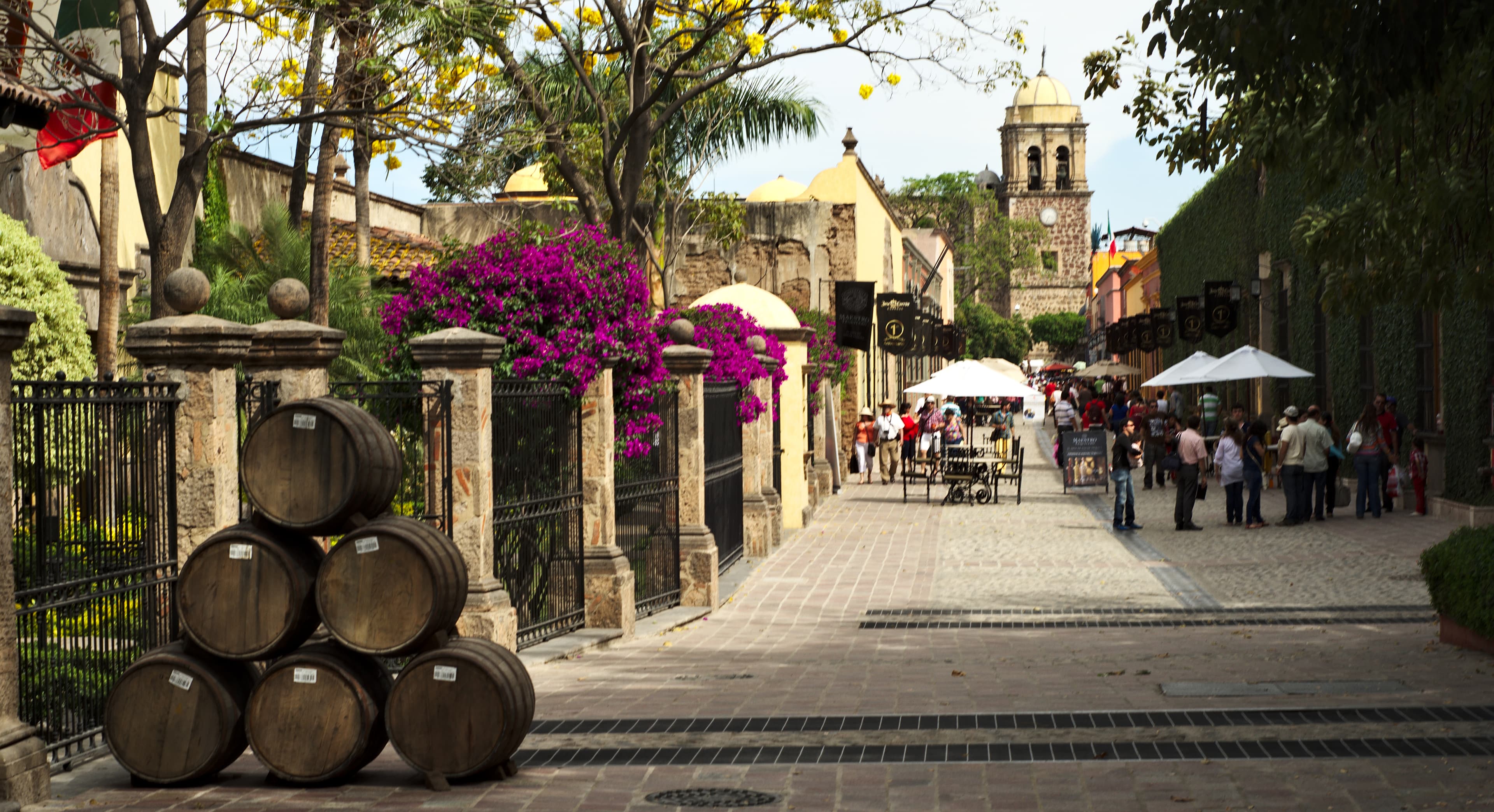
Santiago de Tequila is a Mexican town and municipality located in the state of Jalisco about 60 km from the city of Guadalajara. Tequila is best known as being the birthplace of the drink that bears its name, "tequila," which is made from the blue agave plant, native to this area.
- Population
- 40,697
- Altitude
- 1219 m
- Climate
- Semicálido
- Designated
- 2003
- Score
- 7.8 / 10
 #25.8
#25.8Ajijic
Jalisco47 km · 47m from the stadium
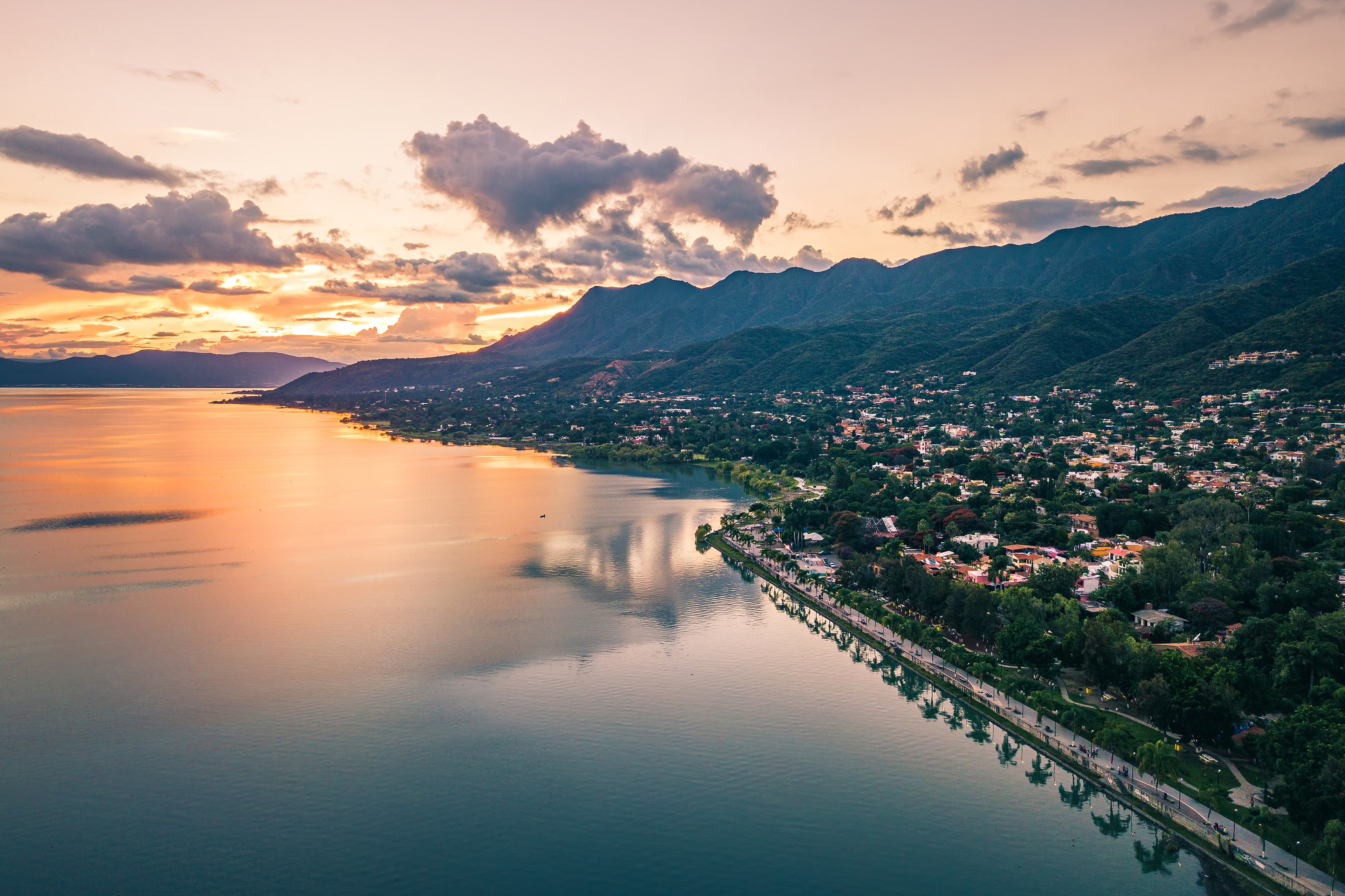
Ajijic is a town about 5 kilometres (3.1 mi) west from the town of Chapala, part of the municipality, in the State of Jalisco, Mexico. It is situated on the north shore of Lake Chapala, surrounded by mountains. Ajijic enjoys a moderate climate year-round.
- Population
- 10,509
- Altitude
- 1550 m
- Climate
- Templado
- Designated
- 2020
- Score
- 5.8 / 10
 #38.5
#38.5Tapalpa
Jalisco87 km · 1h 27m from the stadium
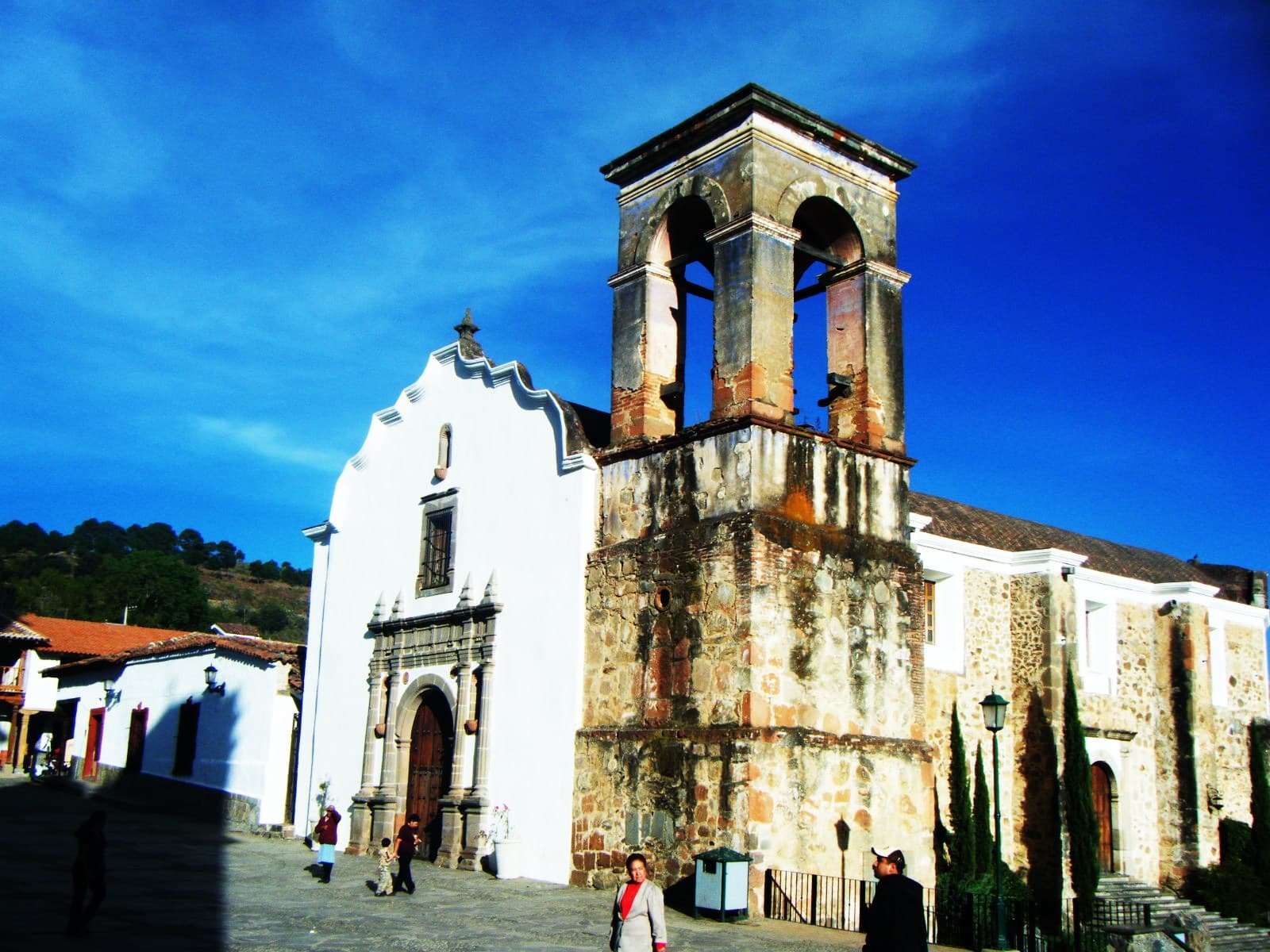
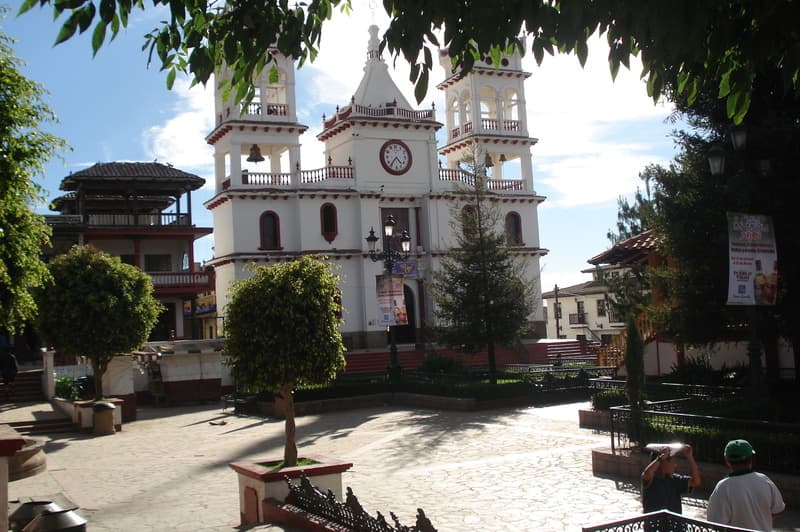
Tapalpa is a town and municipality in Jalisco, a state of central-western Mexico. It has an oceanic climate.
- Population
- 18,096
- Altitude
- 2060 m
- Climate
- Templado
- Designated
- 2002
- Score
- 8.5 / 10
 #44.2
#44.2Mazamitla
Jalisco97 km · 1h 37m from the stadium
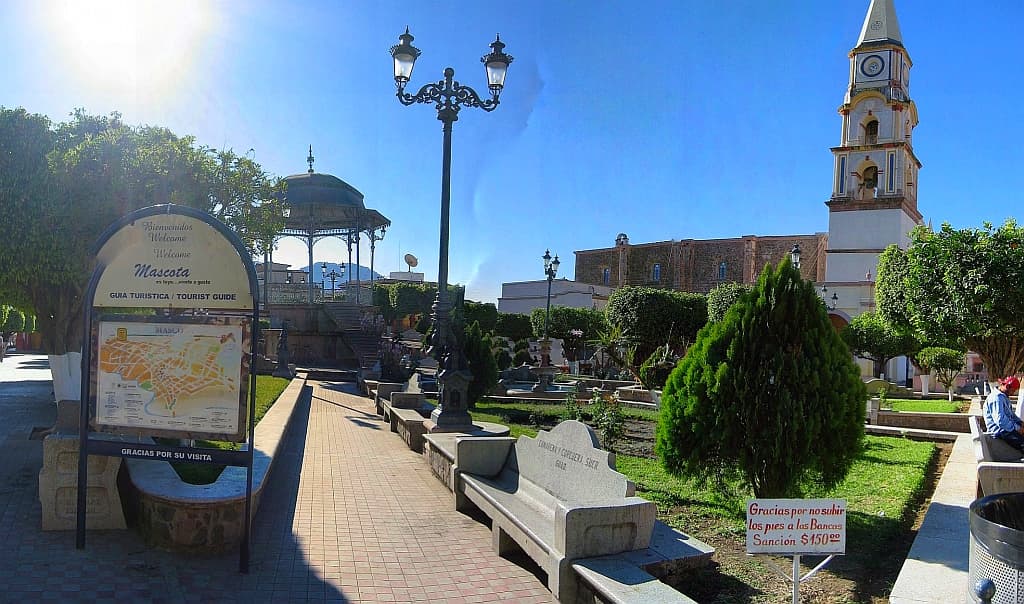
Mazamitla is a town and municipality of the Mexican state of Jalisco. It is located 124 km south of Guadalajara in the Southeast Region and is a popular resort destination for travelers from Guadalajara and nearby urban centers.
- Population
- 8,852
- Altitude
- 2200 m
- Climate
- Templado
- Designated
- 2005
- Score
- 4.2 / 10
 #56.9
#56.9Mascota
Jalisco138 km · 2h 18m from the stadium
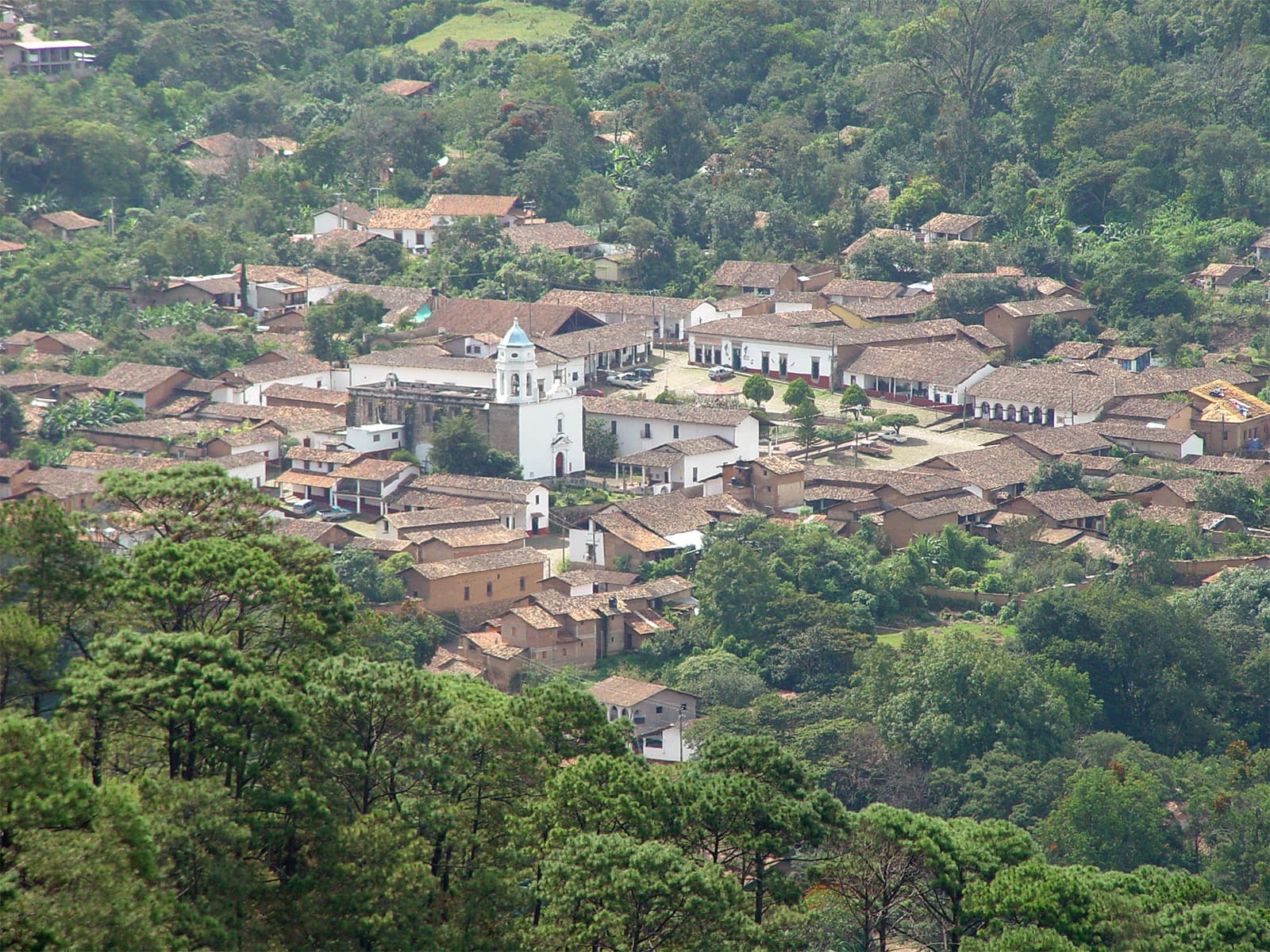
Mascota is a town and municipality in Jalisco, in central-western Mexico, part of the Costa-Sierra Occidental Region. The municipality covers an area of 1,843 km2. The name Mascota comes from the root "Amaxacotlán", which means "place of deer and colubrids".
- Population
- 7,908
- Altitude
- 1237 m
- Designated
- 2015
- Score
- 6.9 / 10
 #64.7
#64.7San Sebastián del Oeste
Jalisco145 km · 2h 25m from the stadium
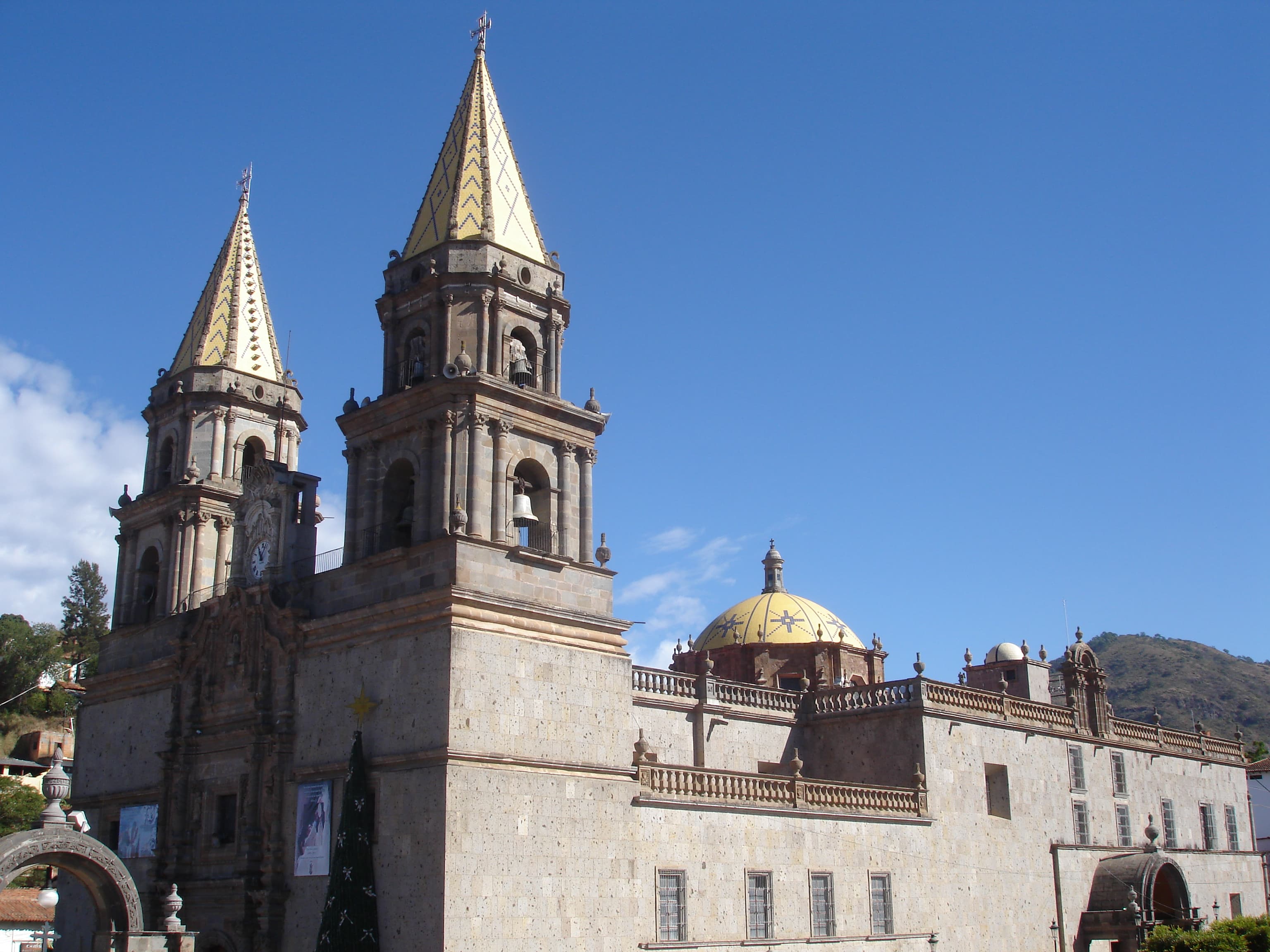
San Sebastián del Oeste is a town and municipality, located on the western part of Jalisco state, Mexico, between 20°39' 45" - 21°02' 30" N and 104°35' 00" - 104°51' 00" W, at a height of 1,480 metres (4,856 ft).
- Population
- 655
- Altitude
- 1480 m
- Climate
- Templado
- Designated
- 2011
- Score
- 4.7 / 10
 #7
#7Talpa de Allende
Jalisco145 km · 2h 25m from the stadium
Talpa de Allende is a city and municipality in Jalisco, Mexico. Surrounded by pine-covered mountains, Talpa de Allende is a silver mining town founded by the Spanish in 1599. The name "Allende" is in honor of General Ignacio Allende.
- Population
- 7,283
- Altitude
- 1178 m
- Designated
- 2015
 #86.7
#86.7Lagos de Moreno
Jalisco175 km · 2h 55m from the stadium
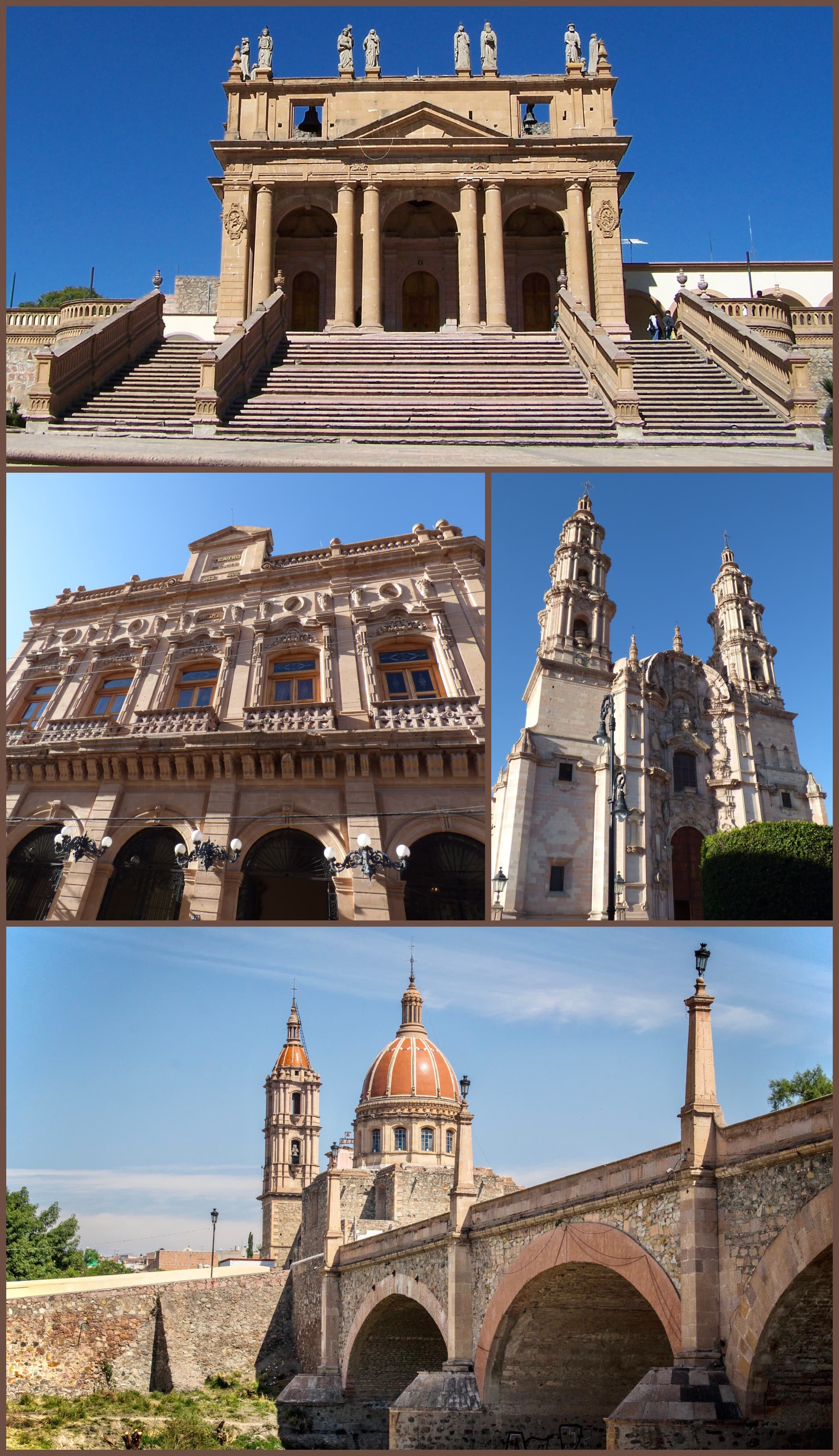
Lagos de Moreno is a city and municipality in the State of Jalisco, Mexico. Lagos is located in the region of Los Altos de Jalisco, within the macroregion of the Bajío. Lagos de Moreno is occasionally known as the "Athens of Jalisco", owing to the numerous writers and poets who were born there.
- Population
- 172,402
- Altitude
- 1876 m
- Designated
- 2012
- Score
- 6.7 / 10
What's special about each region
Agave country — Tequila
The landscape west of Guadalajara is covered in blue agave plantations, a cultural landscape so distinctive it was declared a UNESCO World Heritage Site in 2006. The town of Tequila is the ceremonial heart: historic haciendas like those of the oldest producers (Cuervo, Sauza, and Herradura, among others) offer public tours. Beyond the town, day-tripping includes the Tequila volcano, agave harvesters at work, and the Cantarito Express scenic train.
Lakeside — Ajijic
Lake Chapala is Mexico's largest natural lake. Ajijic, on its north shore, has one of the country's largest foreign retiree populations — a legacy that has shaped a bilingual, arts-focused village with walkable streets and lakeside restaurants. The neighboring town of Chapala complements an Ajijic visit.
Sierra pine forests — Tapalpa and Mazamitla
Both sit above 1,950 m in the Sierra Madre del Sur, with log-cabin architecture and cool pine-forest climate. Tapalpa is known for its waterfalls (Salto del Nogal) and limestone rock formations; Mazamitla has become a weekend favorite for Guadalajarans and is built around a picturesque central square.
Gold-mining mountains — San Sebastián del Oeste
Deep in the Sierra Madre between Guadalajara and Puerto Vallarta, this tiny 18th-century mining town feels genuinely off the map. It's the longest drive of the Jalisco options, but worth it if you have a full day.
Colonial ranch country — Lagos de Moreno, Mascota, Talpa
The Altos de Jalisco region northeast of Guadalajara (Lagos de Moreno) and the Sierra corridor toward Puerto Vallarta (Mascota, Talpa de Allende) add three more Pueblos Mágicos with distinct personalities — cattle ranching plains, Franciscan missions, and pilgrimage shrines, respectively.
Frequently asked questions
01.Which is the closest Pueblo Mágico to Estadio Akron?
By our coordinates, Tequila is the closest at about 45 km from Akron. Tequila is usually the headline answer: 45-60 minutes from Zapopan on Mex-15D.
02.Can you do a tequila tour in half a day?
Yes. The town of Tequila offers tours at several historic distilleries. A common pattern is to leave Guadalajara at 9 AM, arrive 10-11 AM, do a tour with a tasting (2-3 hours), eat in the town center, and head back in the afternoon. For a deeper experience, overnighting lets you see the agave fields at dawn.
03.Is Ajijic worth it if you're not a retiree?
Ajijic, on the shore of Lake Chapala, is well known for its American and Canadian community, but it also has a well-preserved colonial center, colorful murals, and an active arts scene. It works well as a half-day trip combined with nearby Chapala (not a Pueblo Mágico, but in the same region).
04.Which pueblo is best for cool weather?
Tapalpa and Mazamitla both sit in the Sierra Madre del Sur, between 1,950 and 2,200 m, with pine forests and mild year-round climate. In June and July temperatures are usually pleasant by day and cool at night. Tapalpa is closer to Akron; Mazamitla takes more driving but is famous for its log cabins.
05.Can I get there on public transport from Guadalajara?
Yes, to the main pueblos. Guadalajara's Nueva Central Camionera runs regular service to Tequila (ETN, Primera Plus), Tapalpa (Autotransportes Tapalpa), Mazamitla (Autobuses Sur de Jalisco), and Chapala-Ajijic (local combis and buses). For San Sebastián del Oeste, a car or a tour is easier.
Sources
References and further reading
- Tequila — Wikipedia
- Ajijic — Wikipedia
- Tapalpa — Wikipedia
- Mazamitla — Wikipedia
- Mascota — Wikipedia
- San Sebastián del Oeste — Wikipedia
- Talpa de Allende — Wikipedia
- Lagos de Moreno — Wikipedia
- Pueblos Mágicos Program — SECTUR (Mexican Ministry of Tourism)
- INEGI — Mexican National Institute of Statistics and Geography
- FIFA — 2026 World Cup Canada-Mexico-USA
- Estadio Akron — Wikipedia
- Methodology and data freshness — WikiPueblosMágicos
Accessed 2026-10-19
Continue exploring
Plan your World Cup trip
Use the interactive map and curated lists for each stadium
Plan your World Cup trip →Continue reading
World Cup 2026 in Mexico: where to go between matches
Mexico hosts 13 FIFA World Cup 2026 matches across three venues. The gaps between matches leave plenty of time to escape to a Pueblo Mágico.
9 min read
Day trips from Mexico City during World Cup 2026: 8 Pueblos Mágicos within 2 hours
Estadio Azteca hosts 5 matches. Few cities anywhere have this many character-rich towns within easy reach — here are the ones worth the drive.
11 min read
Mexico's 10 top-rated Pueblos Mágicos in 2026
A real ranking — not editorial opinion. We compute a composite score from Google and TripAdvisor reviews, search volume, pricing, and availability. These are the 10 Pueblos Mágicos that top the list.
8 min read