Day trips from Mexico City during World Cup 2026: 8 Pueblos Mágicos within 2 hours
Estadio Azteca hosts 5 matches. Few cities anywhere have this many character-rich towns within easy reach — here are the ones worth the drive.
Estadio Azteca hosts five matches of the FIFA World Cup 2026, including Mexico's opener and a round-of-16 fixture. Mexico City has the densest cluster of Pueblos Mágicos in the country — roughly a dozen are within a 3-hour radius of the stadium, and eight are within comfortable day-trip range.
Below we list the eight closest Pueblos Mágicos to the Azteca, sorted by straight-line distance. Drive times assume 60 km/h geodesic speed; expect real highway times to run 15-25% longer. Each card pulls live data from our database — description, population, altitude, climate, and composite score.
The eight closest Pueblos Mágicos
 #15.9
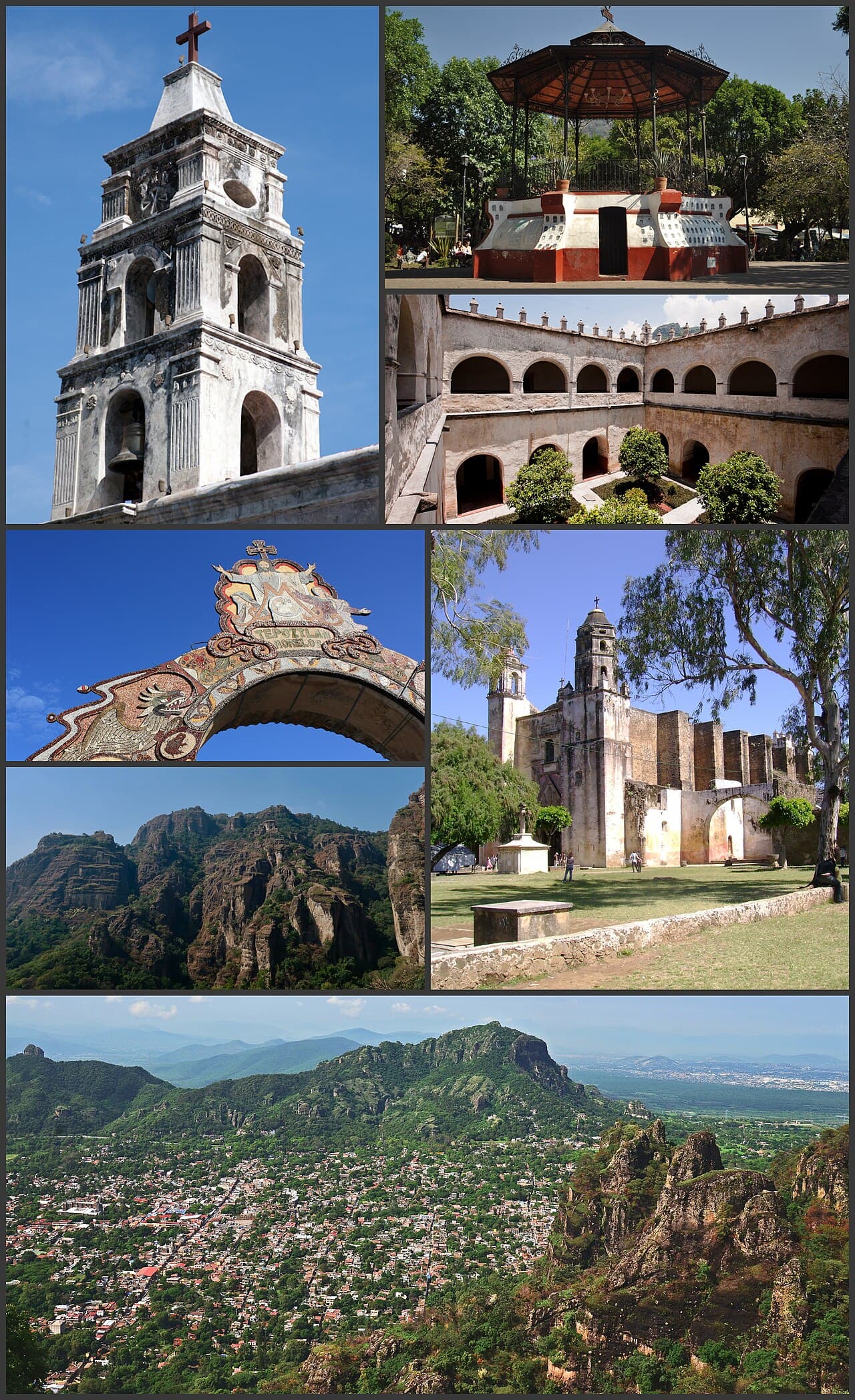
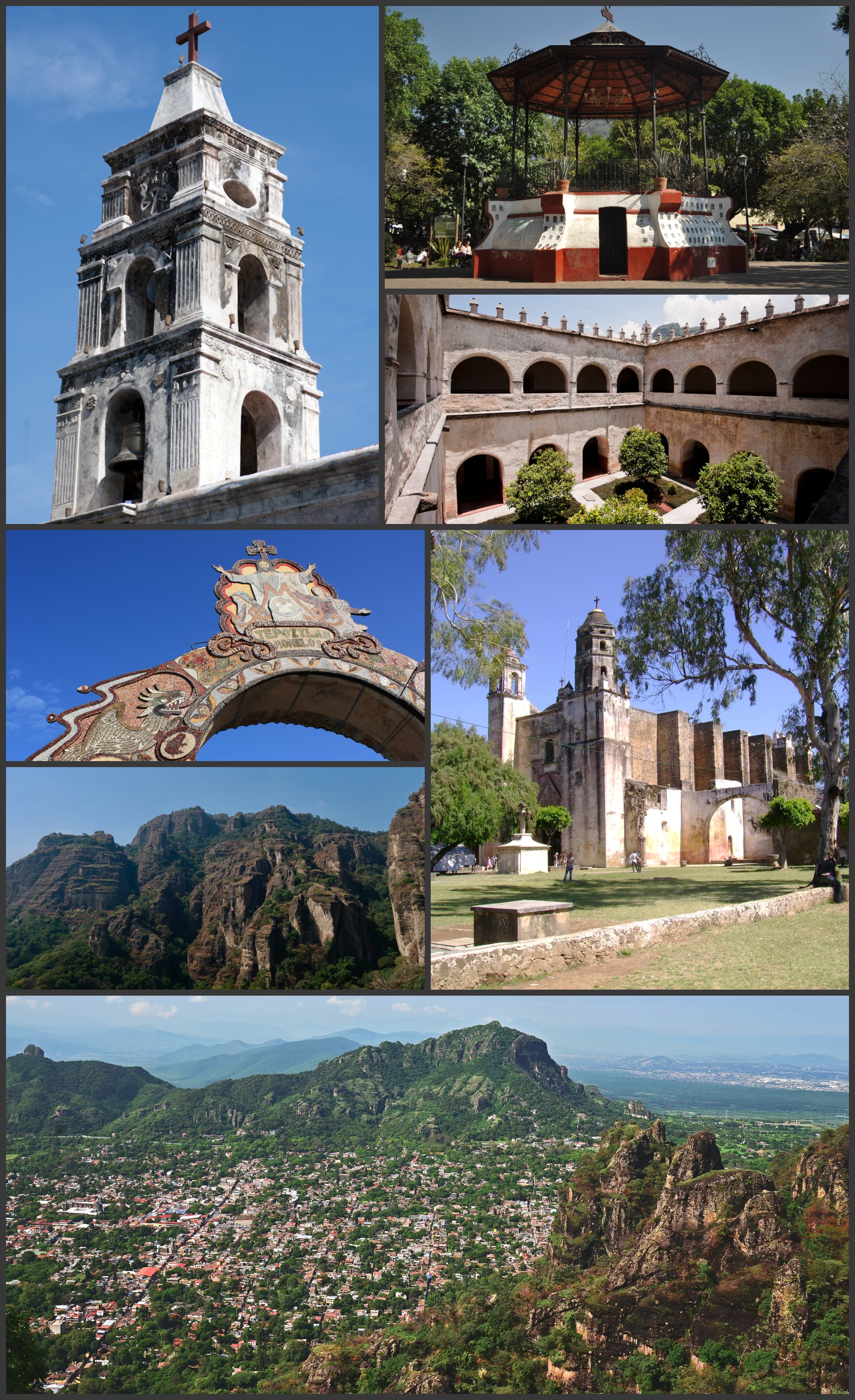
#15.9Tepoztlán
Morelos36 km · 36m from the stadium
Tepoztlán is a town in the central Mexican state of Morelos. It is located at 18°59′07″N 99°05′59″W in the heart of the Tepoztlán Valley. The town serves as the seat of government for the municipality of the same name.
- Population
- 41,629
- Altitude
- 1701 m
- Climate
- Semicálido
- Designated
- 2001
- Score
- 5.9 / 10
 #26.6
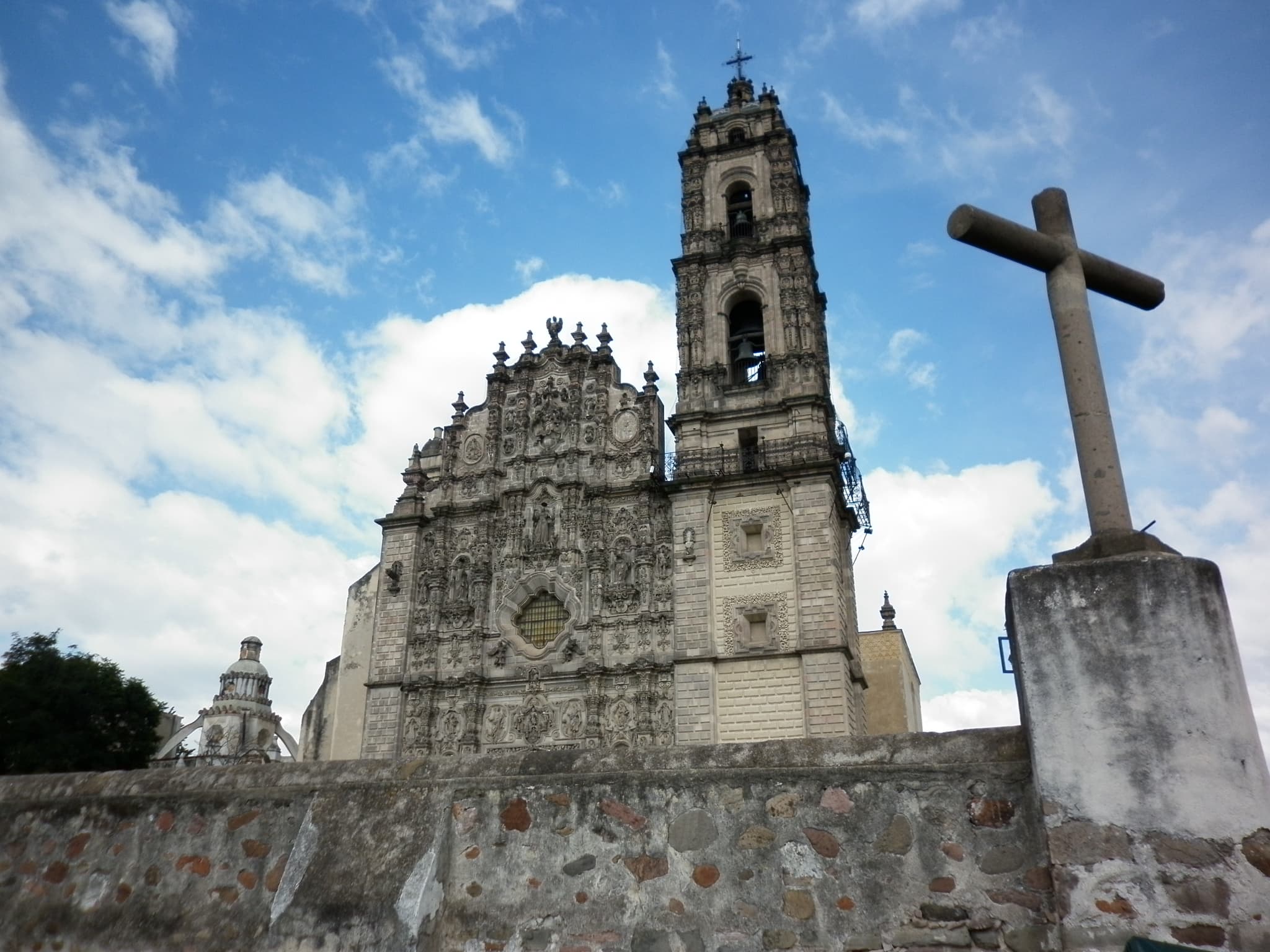
#26.6Tepotzotlán
Estado de México47 km · 47m from the stadium
Tepotzotlán is a city and a municipality in the Mexican state of Mexico. It is located 40 km (25 mi) northwest of Mexico City about a 45-minute drive along the Mexico City–Querétaro road at marker number 41.
- Population
- 94,017
- Altitude
- 2280 m
- Climate
- Templado
- Designated
- 2002
- Score
- 6.6 / 10
 #39.0
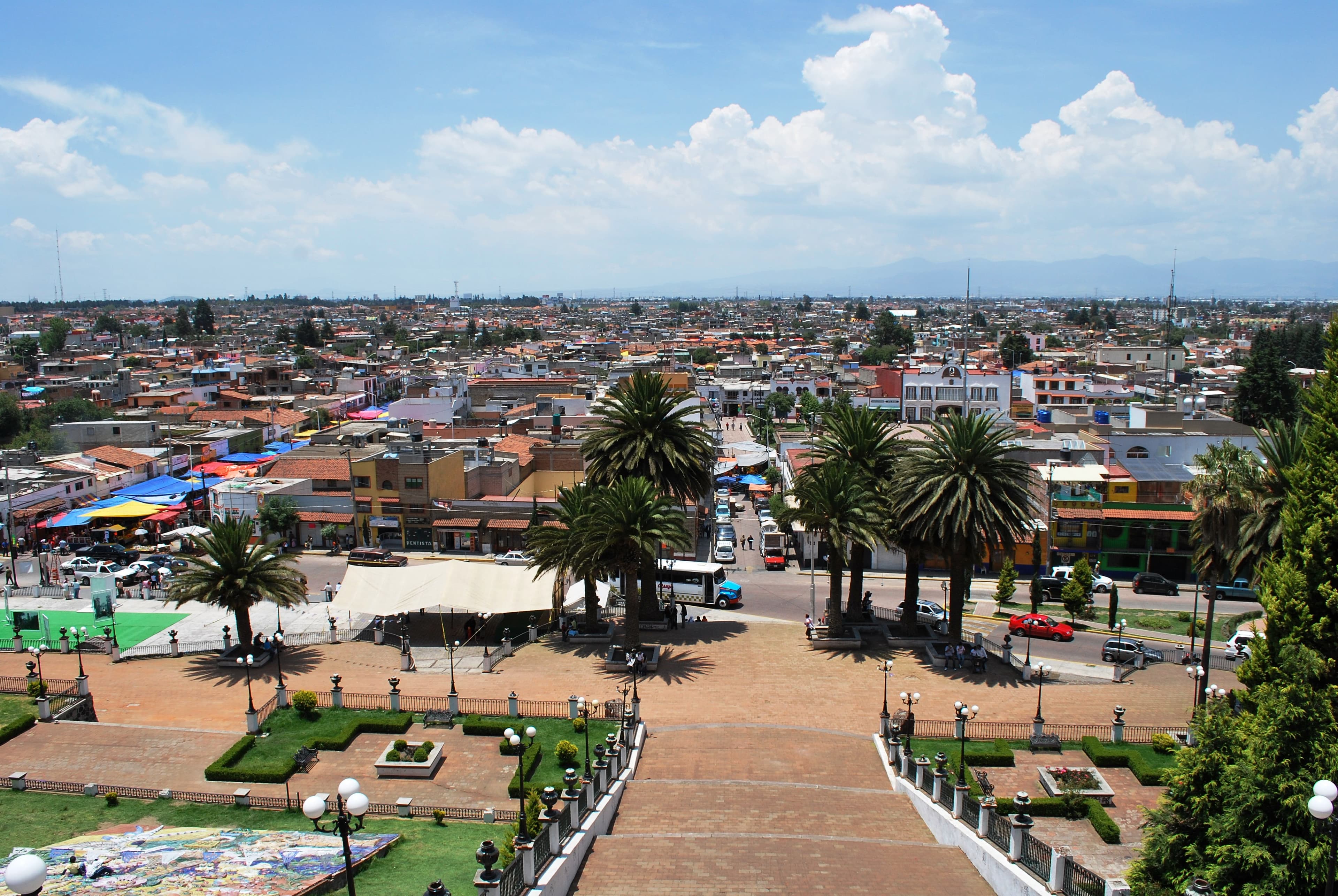
#39.0Metepec
Estado de México48 km · 48m from the stadium
Metepec is a municipality in the State of Mexico in Mexico and is located directly to the east of the state capital, Toluca, at an altitude of 2,635 metres (8,645 ft) above sea level. The center of Mexico City lies some 50 km further to the east.
- Population
- 242,307
- Altitude
- 2635 m
- Climate
- Templado
- Designated
- 2012
- Score
- 9.0 / 10
 #47.1
#47.1Malinalco
Estado de México54 km · 54m from the stadium
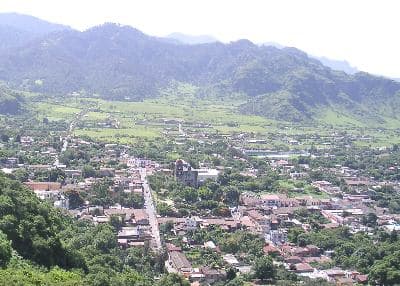
Malinalco is the municipality inside of Ixtapan Region, is a town and municipality located 65 kilometers south of the city of Toluca in the south of the western portion of the State of Mexico. Malinalco is 115 km (71 mi) southwest of Mexico City.
- Population
- 27,482
- Altitude
- 1740 m
- Climate
- Semicálido
- Designated
- 2010
- Score
- 7.1 / 10
 #53.7
#53.7Villa del Carbón
Estado de México55 km · 55m from the stadium
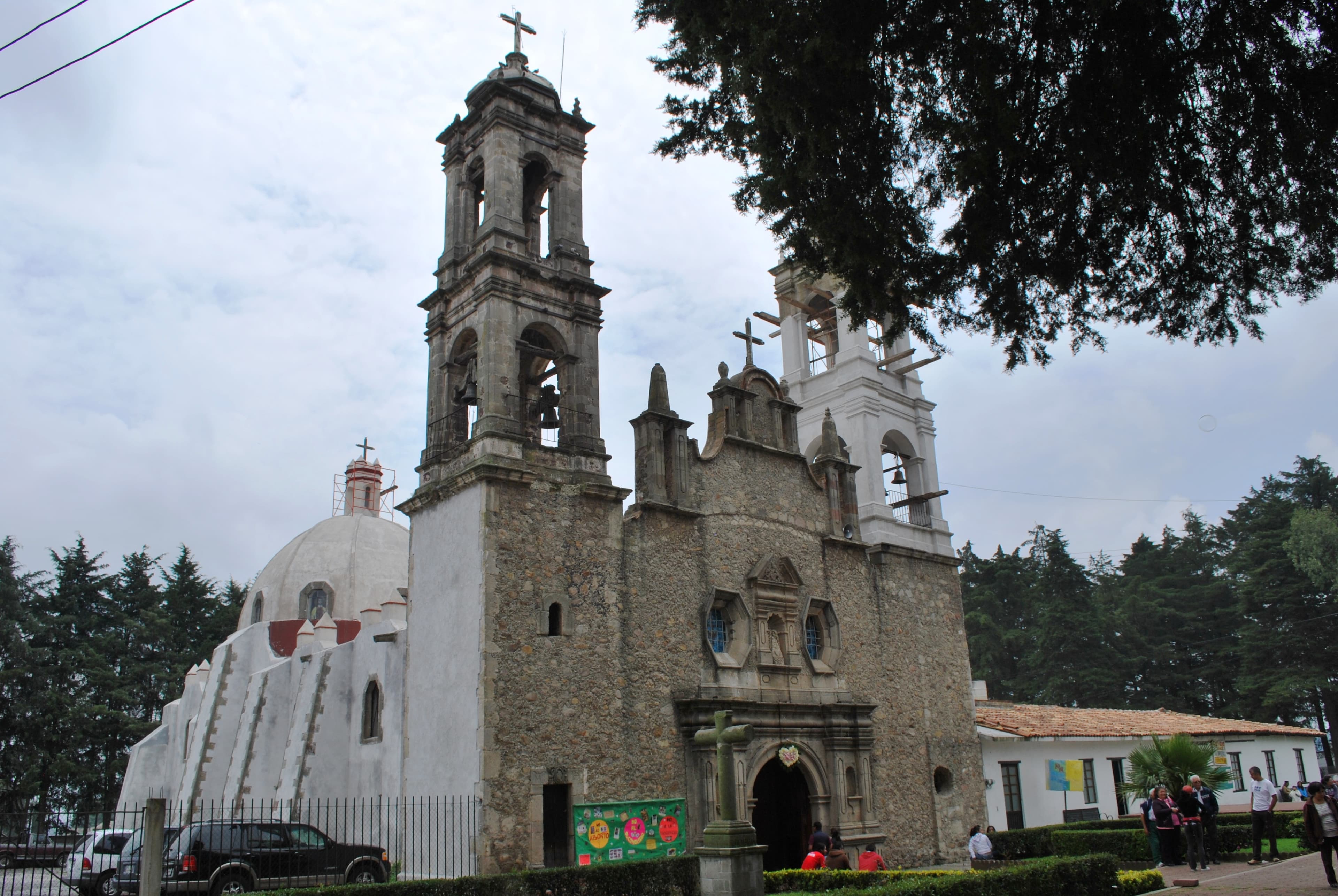
Villa del Carbón is a municipality located in the northern part of Mexico State, just northwest of Mexico City. While the town and municipal seat of Villa del Carbón is the largest in the municipality, it is not the oldest.
- Population
- 10,964
- Altitude
- 2597 m
- Climate
- Templado
- Designated
- 2015
- Score
- 3.7 / 10
 #64.2
#64.2Atlixco
Puebla87 km · 1h 27m from the stadium
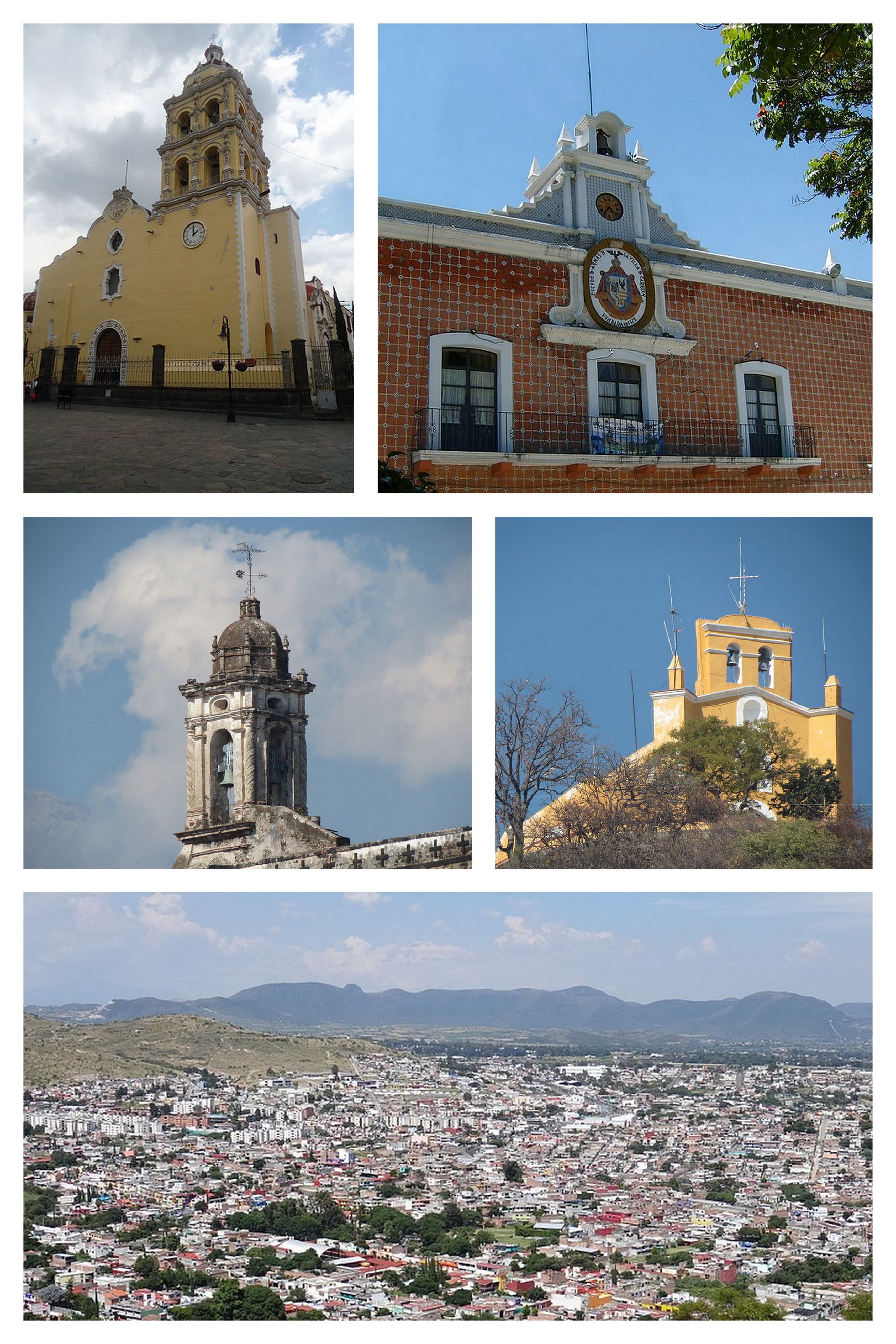
Atlixco is a city in the Mexican state of Puebla. It is a regional industrial and commercial center but economically it is much better known for its production of ornamental plants and cut flowers.
- Population
- 91,748
- Altitude
- 1840 m
- Climate
- Templado
- Designated
- 2015
- Score
- 4.2 / 10
 #78.6
#78.6San Andrés Cholula
Puebla93 km · 1h 33m from the stadium
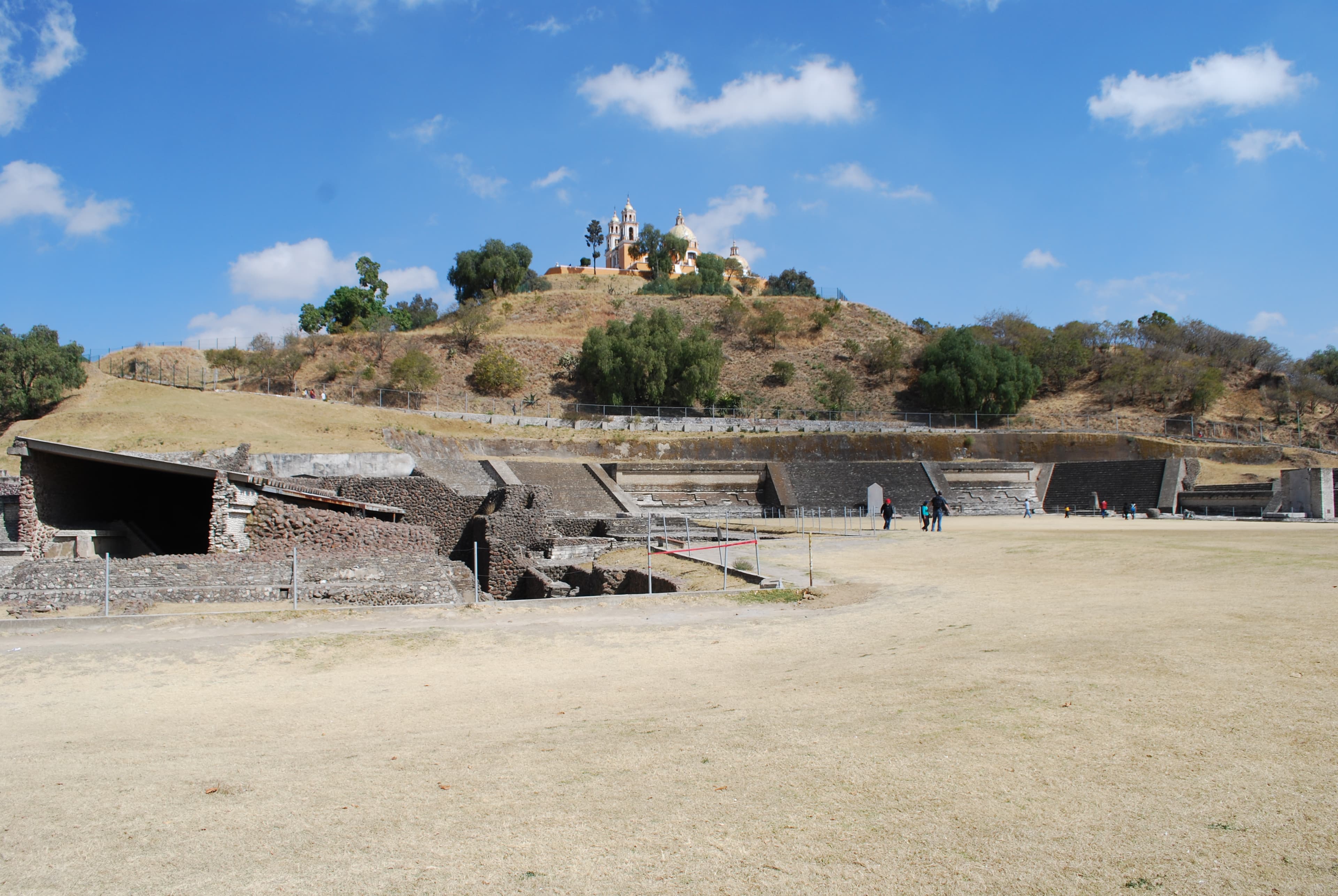
Cholula, is a city and district located in the metropolitan area of Puebla, Mexico. Cholula is best known for its Great Pyramid, with the Iglesia de Nuestra Señora de los Remedios sanctuary on top, as well as its numerous churches.
- Population
- 137,290
- Altitude
- 2150 m
- Climate
- Templado
- Designated
- 2012
- Score
- 8.6 / 10
 #86.6
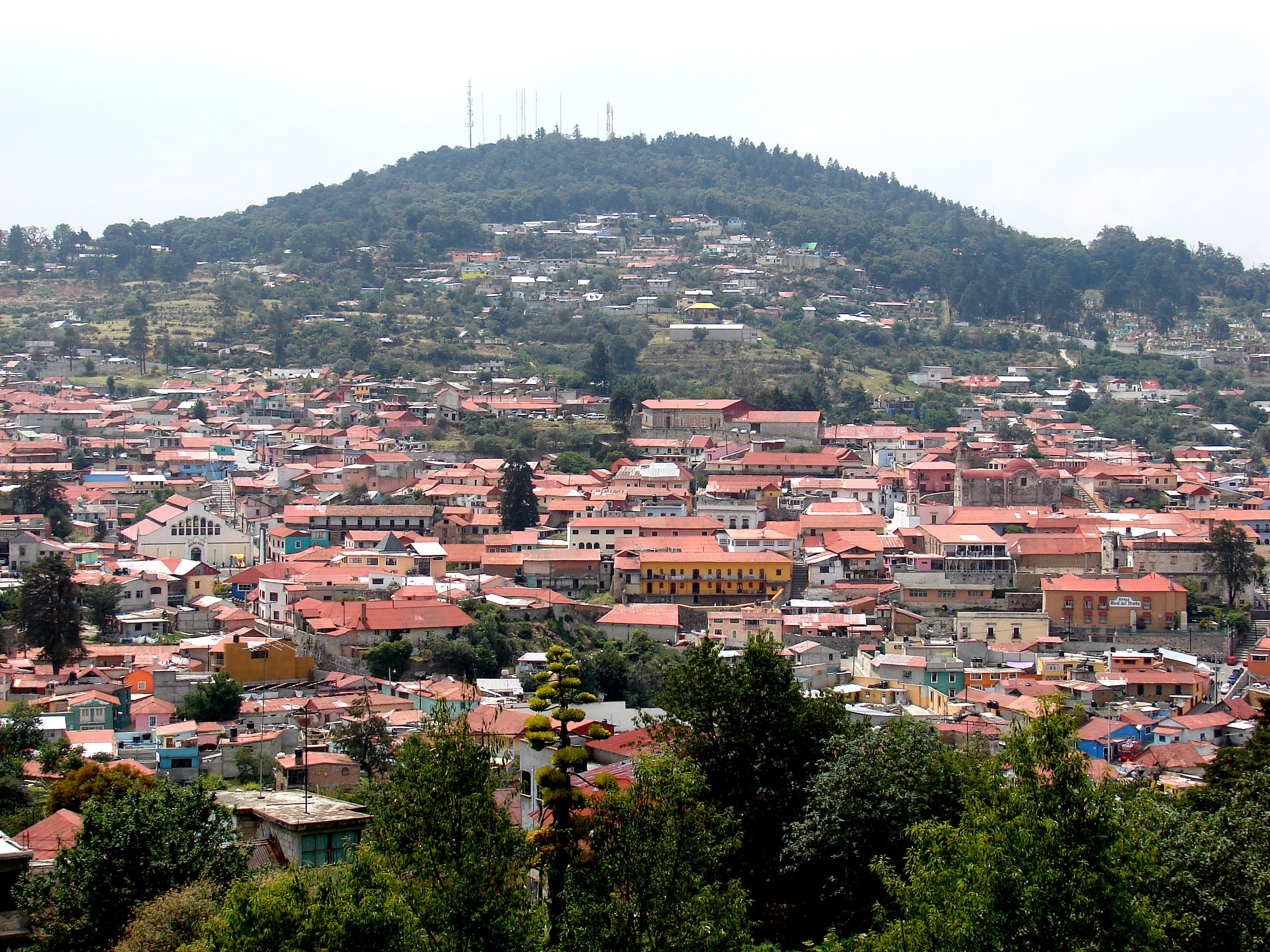
#86.6Mineral del Monte
Hidalgo106 km · 1h 46m from the stadium
Mineral del Monte, commonly called Real del Monte or El Real, or "Moon an Menydh" in Cornish is a small mining town, and one of the 84 municipalities of Hidalgo, in the State of Hidalgo in east-central Mexico.
- Population
- 11,944
- Altitude
- 2700 m
- Climate
- Templado frío
- Designated
- 2004
- Score
- 6.6 / 10
Best for half-day trips vs. overnight
Not every pueblo works the same. Here's how we'd split this list based on distance from the Azteca:
Best for a half-day or same-match-day round trip (under 120 km)
- Tepoztlán · 36 km
- Tepotzotlán · 47 km
- Metepec · 48 km
- Malinalco · 54 km
- Villa del Carbón · 55 km
- Atlixco · 87 km
- San Andrés Cholula · 93 km
- Mineral del Monte · 106 km
For overnight stays, book in the pueblo itself to catch the morning and evening hours when day-trippers are gone. For same-day round trips, leave Mexico City by 8 AM and budget at least 3 hours of buffer before kickoff.
Getting there
For Azteca-area pueblos, the main highways are Mex-95D (Cuernavaca, Tepoztlán), Mex-55D (Toluca, Metepec), Mex-85D (Pachuca, Real del Monte, Mineral del Chico, Huasca), Mex-150D (Puebla, Cholula, Atlixco), and Mex-57D (Tepotzotlán, Aculco, Querétaro). All are modern toll roads. Pay with cash in pesos, major cards, or a TAG transponder.
Long-haul buses are a strong alternative. Grupo Estrella Blanca, Flecha Roja, Pullman de Morelos, Primera Plus, and ETN all run routes from CDMX's main terminals to pueblos on this list.
Reading the data on each card
Each pueblo card above pulls directly from our database. The number badge in the corner shows the composite score on a 0-10 scale, computed from seven weighted signals: Google rating, TripAdvisor rating, Booking rating, total review count, monthly search volume, average nightly price, and infrastructure availability reported by travelers. The full formula is published on our methodology page. Population and altitude come from INEGI; climate and designation year are sourced from SECTUR and cross-checked against Wikipedia's canonical list. The distance figure is geodesic — straight-line km from the Azteca — so consider it a lower bound for real driving distance.
Climate considerations for June-July 2026
The World Cup runs through the rainy season in central Mexico. In the Azteca region, expect clear mornings followed by afternoon thunderstorms from late June onward. Mountain pueblos like Mineral del Chico and Real del Monte can be notably cold at night even in summer (10-12°C is common). Pack layers and a compact rain shell. Roads in the Sierra de Pachuca and the Valle de Bravo corridor can be foggy at dawn — plan daylight driving for mountain approaches.
Frequently asked questions
01.Which is the closest Pueblo Mágico to Estadio Azteca?
By our coordinates, Tepoztlán is the closest at roughly 36 km from the Azteca. This is a great-circle distance estimate; the real highway drive is typically 15-25% longer.
02.Can I round-trip a pueblo the same day as a match?
For pueblos under 100 km (Tepoztlán, Tepotzotlán, Malinalco, Metepec) a same-day round trip is feasible, as long as you leave early and return with at least a 3-hour buffer before kickoff. Pueblos over 150 km (Huasca, Cholula, Atlixco) are better suited to a full free day.
03.Do I need a car, or can I take the bus?
Most pueblos on this list have direct bus service from Mexico City's central terminals (Taxqueña in the south, Terminal del Norte, Observatorio in the west, or TAPO in the east). Tepoztlán, Tepotzotlán, and Cholula have frequent service. For smaller towns like Villa del Carbón or Mineral del Chico, a car gives you far more flexibility.
04.How much does altitude matter?
Mexico City sits at 2,240 m. Towns like Mineral del Chico and Real del Monte are above 2,500 m and can cause discomfort for visitors newly arrived from sea level. Hydrate, skip alcohol the first day, and walk gradually. Lower-altitude pueblos like Atlixco (1,840 m) or Cholula (2,100 m) are easier for early-trip acclimatization.
05.Which one do you recommend if I can only visit one?
Tepoztlán is the most common answer: close, well connected, with an iconic mountain (the Tepozteco), a lively weekend market, and well-preserved colonial architecture. Malinalco is a quieter alternative with a dramatic hilltop archaeological site. Huasca de Ocampo was the very first town designated Pueblo Mágico (2001) and is home to the Prismas Basálticos.
Sources
References and further reading
- Tepoztlán — Wikipedia
- Tepotzotlán — Wikipedia
- Metepec — Wikipedia
- Malinalco — Wikipedia
- Villa del Carbón — Wikipedia
- Atlixco — Wikipedia
- San Andrés Cholula — Wikipedia
- Mineral del Monte — Wikipedia
- Pueblos Mágicos Program — SECTUR (Mexican Ministry of Tourism)
- INEGI — Mexican National Institute of Statistics and Geography
- FIFA — 2026 World Cup Canada-Mexico-USA
- Estadio Azteca — Wikipedia
- Methodology and data freshness — WikiPueblosMágicos
Accessed 2026-10-19
Continue exploring
Plan your World Cup trip
Use the interactive map and curated lists for each stadium
Plan your World Cup trip →Continue reading
World Cup 2026 in Mexico: where to go between matches
Mexico hosts 13 FIFA World Cup 2026 matches across three venues. The gaps between matches leave plenty of time to escape to a Pueblo Mágico.
9 min read
Pueblos Mágicos near Guadalajara: explore Jalisco between World Cup 2026 matches
Estadio Akron in Zapopan hosts 4 matches. Jalisco is mariachi, tequila, lakes, and sierra — all within a short drive.
10 min read
Mexico's 10 top-rated Pueblos Mágicos in 2026
A real ranking — not editorial opinion. We compute a composite score from Google and TripAdvisor reviews, search volume, pricing, and availability. These are the 10 Pueblos Mágicos that top the list.
8 min read