Pueblos Mágicos near Monterrey: northern Mexico day trips during World Cup 2026
Estadio BBVA hosts 4 matches. Northern Mexico is less touristed than the center, but its canyons, vineyards, and desert oases are unforgettable.
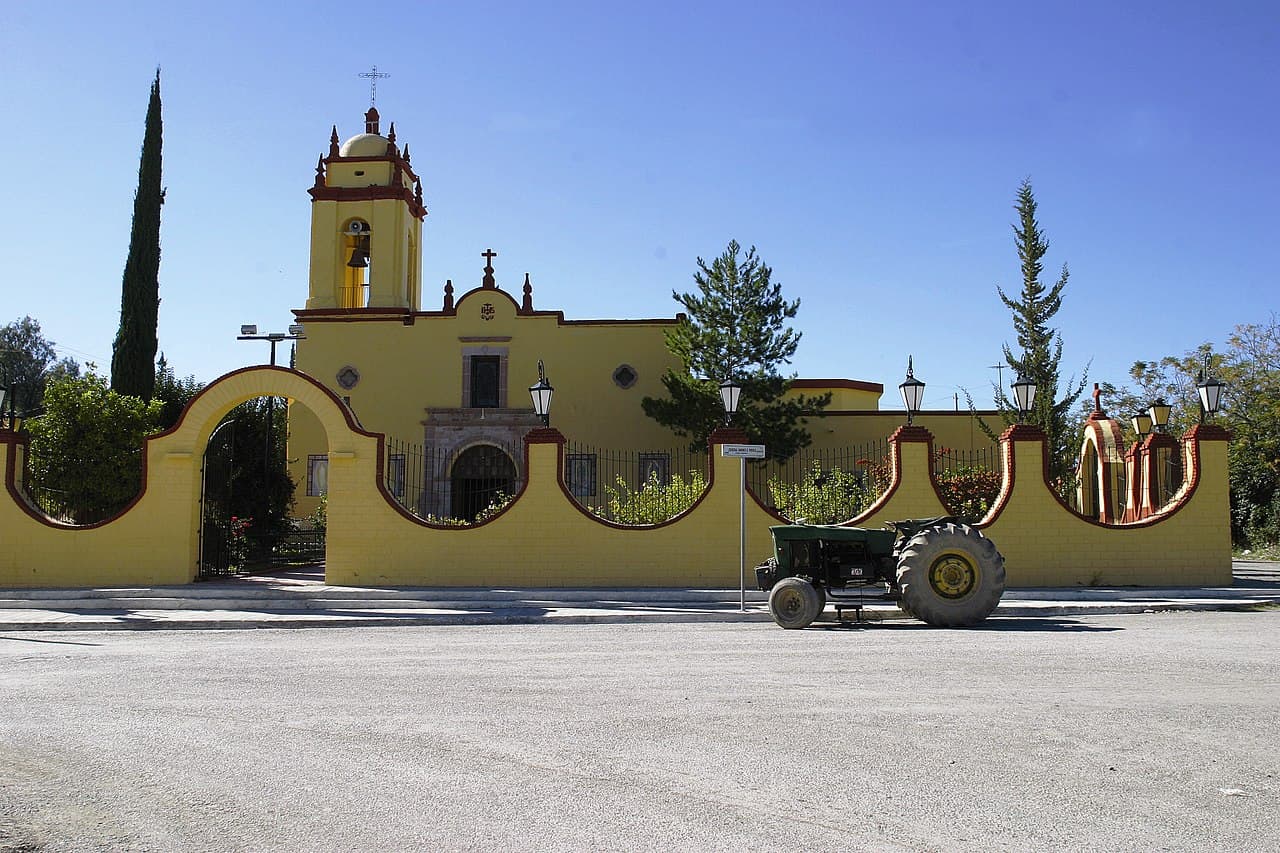
Estadio BBVA, on the outskirts of Monterrey, hosts four matches of the FIFA World Cup 2026. Northern Mexico is underrated as a tourist destination — less visited than the center and south, but with some of the most dramatic landscapes in the country: the Sierra Madre Oriental rises like a wall on the city's western edge, and within three hours you reach desert oases, historic vineyards, and former silver-mining villages that feel suspended in time.
Below are the Pueblos Mágicos within realistic day-trip and overnight range of the BBVA, ranked by straight-line distance.
Pueblos Mágicos near Estadio BBVA
 #16.2
#16.2Santiago
Nuevo León28 km · 28m from the stadium
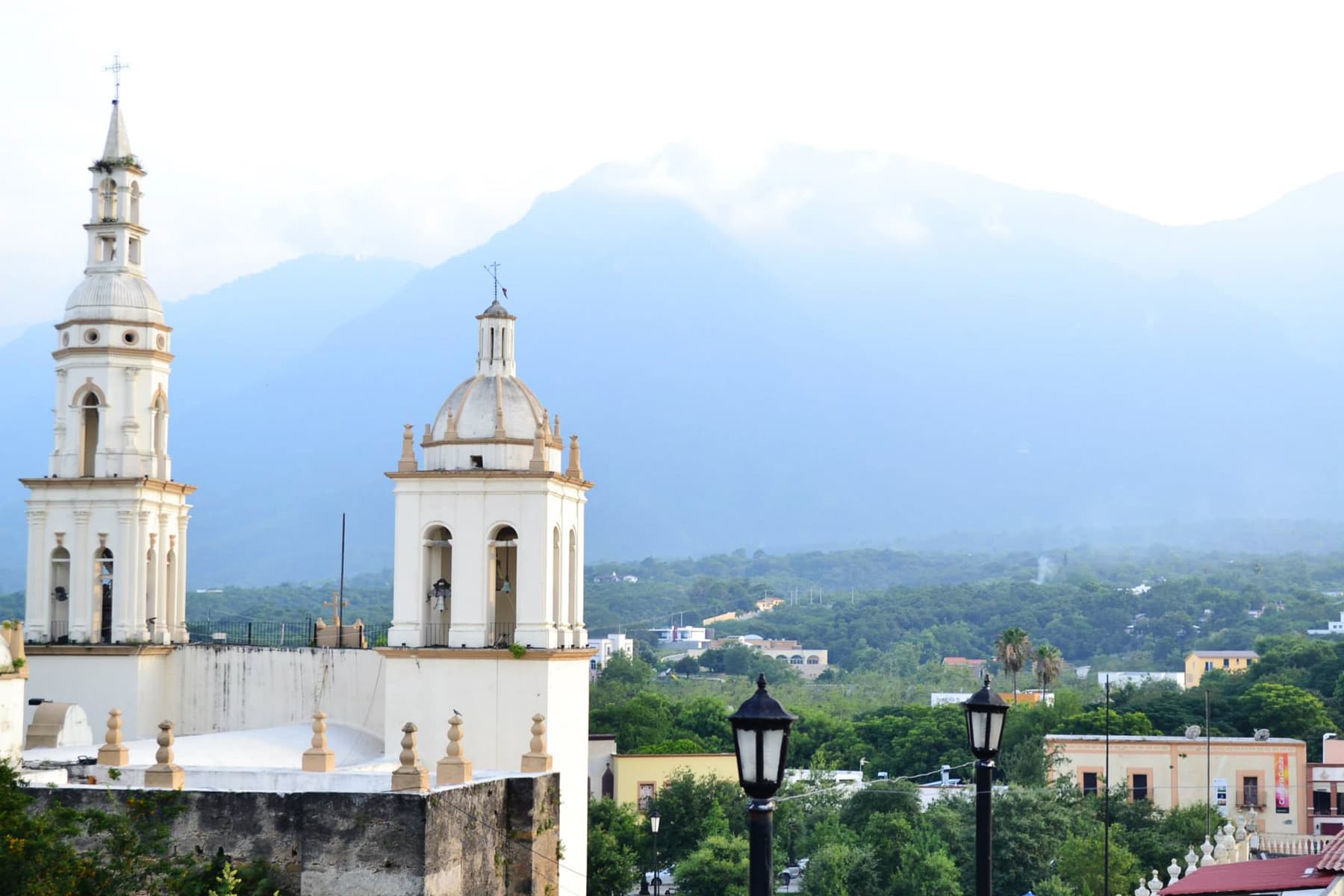
Santiago is a municipality and city located in the center of the Mexican state of Nuevo León. It is part of the Monterrey metropolitan area and its area comprises around 739.2 km2 (285.4 sq mi). According to the 2020 census, it had a population of 46,784.
- Population
- 40,469
- Altitude
- 510 m
- Climate
- Semicálido
- Designated
- 2006
- Score
- 6.2 / 10
 #20.1
#20.1Linares
Nuevo León113 km · 1h 53m from the stadium
Linares is a small city in the state of Nuevo León, Mexico. The city serves as the administrative centre for the surrounding municipality of the same name and it is the largest urban centre of the so-called "orange belt" region.
- Population
- 48,236
- Altitude
- 370 m
- Climate
- Semicálido seco
- Designated
- 2015
- Score
- 0.1 / 10
 #34.7
#34.7Mier
Tamaulipas137 km · 2h 17m from the stadium
Mier, also known as El Paso del Cántaro, is a city in Mier Municipality in Tamaulipas, located in northern Mexico near the Rio Grande, just south of Falcon Dam. It is 90 miles (140 km) northeast of Monterrey on Mexican Federal Highway 2.
- Population
- 4,762
- Altitude
- 80 m
- Climate
- Semicálido seco
- Designated
- 2007
- Score
- 4.7 / 10
 #46.6
#46.6Parras de la Fuente
Coahuila196 km · 3h 16m from the stadium
Parras de la Fuente is a city located in the southern part of the Mexican state of Coahuila. The city serves as the municipal seat of the surrounding Parras Municipality, which has an area of 9,271.7 km2 (3,579.8 sq mi).
- Population
- 34,323
- Altitude
- 1520 m
- Climate
- Seco templado
- Designated
- 2004
- Score
- 6.6 / 10
 #57.2
#57.2Real de Catorce
San Luis Potosí230 km · 3h 50m from the stadium
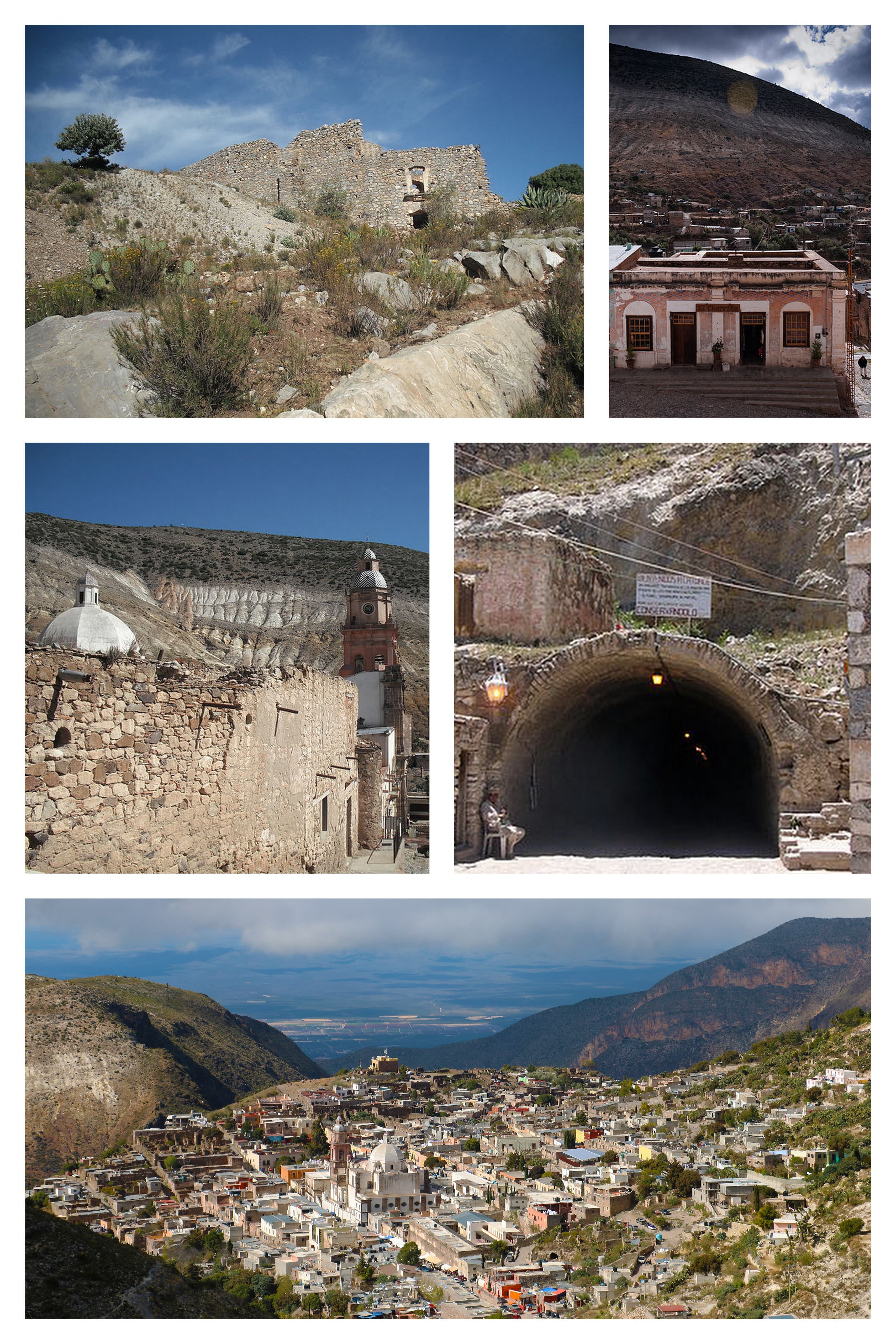
Real de Catorce, often shortened to Real, is a village in the Mexican state of San Luis Potosí and the seat of the municipality of Catorce. It is located 160 miles (260 km) north of the city of San Luis Potosí, and currently has a full-time population of under 1,000 residents.
- Population
- 1,111
- Altitude
- 2756 m
- Climate
- Seco templado
- Designated
- 2001
- Score
- 7.2 / 10
 #67.3
#67.3Cuatro Ciénegas
Coahuila233 km · 3h 53m from the stadium
Cuatro Ciénegas is a city in the northern Mexican state of Coahuila. It stands at 26°59′N 102°03′W, at an average elevation of 740 metres (2,430 ft) above sea level. The city serves as the municipal seat for the surrounding municipality of the same name.
- Population
- 10,975
- Altitude
- 740 m
- Climate
- Seco cálido
- Designated
- 2012
- Score
- 7.3 / 10
 #75.0
#75.0Tula
Tamaulipas302 km · 5h 2m from the stadium
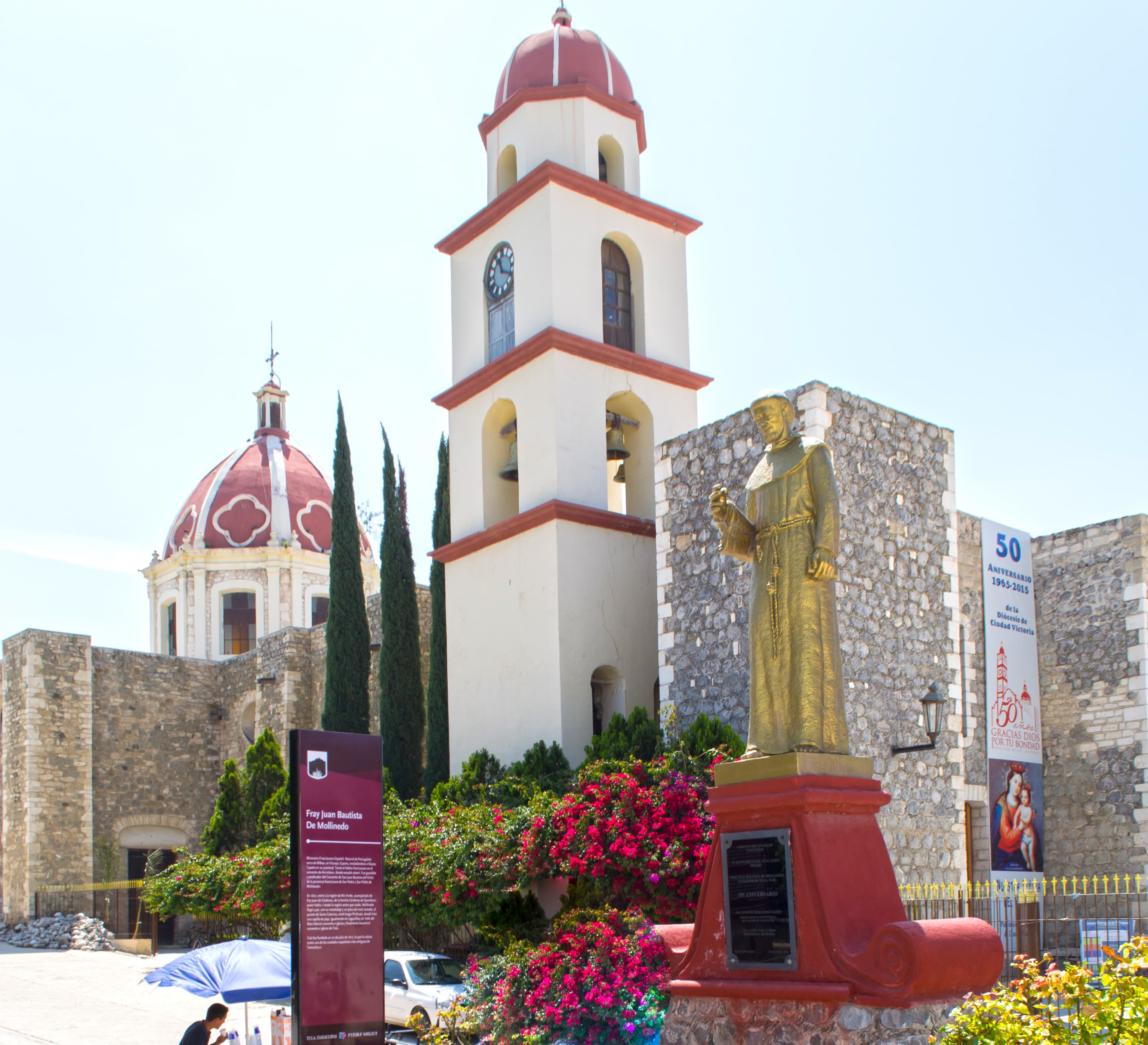
Tula is a town located in Tula Municipality in the Mexican state of Tamaulipas.
- Population
- 8,624
- Altitude
- 1200 m
- Climate
- Templado seco
- Designated
- 2011
- Score
- 5.0 / 10
Wine country — Parras de la Fuente
Parras is where the Americas first made wine. Casa Madero, in the San Lorenzo hacienda just outside town, traces its founding to 1597 — older than any vineyard in the United States, Chile, or Argentina. The town itself is an oasis of springs and pecan groves in the Coahuila desert, with a walkable colonial core and several smaller family-owned bodegas. It's a 3-hour drive from the BBVA on the Monterrey-Saltillo-Parras route.
Desert wonders — Cuatro Ciénegas
Further west in Coahuila sits a protected biosphere reserve unlike any other: hundreds of turquoise spring-fed pools in a gypsum-dune desert, home to endemic microbial communities that NASA has studied as analogues for early Earth and Mars. Swimming in certain pools (like Poza Azul) is restricted for conservation, but guided tours open the Las Playitas area and dune fields. Plan an overnight — it's 4+ hours from Monterrey.
Mining heritage — Real de Catorce
The longest drive on this list, but for many travelers the most unforgettable. Real de Catorce sits at 2,750 m in the highlands of San Luis Potosí. You reach it through the Ogarrio tunnel, a 2.3 km single-lane passage carved through the mountain. Once a silver-mining boomtown, it's now a ghost town with adobe ruins, a pilgrimage church to San Francisco, and the sacred Wirikuta desert below, which is used by the Wixárika (Huichol) people for traditional pilgrimages.
Sierra gateway — Santiago, NL
The closest Pueblo Mágico to Monterrey. Santiago is less than 30 minutes from the city and opens onto the Cola de Caballo waterfall, the Huasteca canyon, and the Matacanes hiking circuit. A good pick if you have a short window between matches.
Frequently asked questions
01.Which is the closest Pueblo Mágico to Estadio BBVA?
By our coordinates, Santiago is the closest at about 28 km from BBVA. Santiago, Nuevo León, is famous for its access to Cola de Caballo waterfall and the Huasteca Canyon, and sits less than 30 minutes by car from the stadium.
02.Is driving to Real de Catorce from Monterrey realistic?
Real de Catorce is in San Luis Potosí, roughly 400-450 km from Monterrey by road. It works as a two-day trip: one day to drive and explore the town (you cross the 2.3 km Ogarrio tunnel to reach it), another to return. Not a half-day option, but if you have 2-3 free days between matches, it's one of Mexico's most memorable destinations.
03.Is there really a wine country in northern Mexico?
Yes. Parras de la Fuente, in Coahuila, is the birthplace of winemaking in the Americas — Casa Madero was founded in 1597 and is the oldest winery in the Western Hemisphere. The town is about 3 hours from BBVA. Nuevo León has smaller boutique wineries closer to the stadium, but Parras is the mandatory stop for the full historic experience.
04.How hot are northern Pueblos Mágicos in June and July?
Quite hot. The Coahuila desert (Cuatro Ciénegas, Parras) can exceed 38°C (100°F) at midday. Real de Catorce sits at 2,750 m and is far milder. Santiago, NL, at the base of the sierra, is warmer but tolerable. We suggest visiting water features (the Cuatro Ciénegas pools, Cola de Caballo waterfall) early in the morning or at dusk.
05.How safe are the northern highways?
The main toll highways (Mex-40D Monterrey-Saltillo, Mex-57D Saltillo-San Luis Potosí) are standard, well-trafficked routes. For secondary roads (Mex-54 to Real de Catorce), drive during daylight, keep a full tank, and check current advisories. Mier and border areas of Tamaulipas require more caution; consult official sources before planning routes near the border.
Sources
References and further reading
- Santiago — Wikipedia
- Linares — Wikipedia
- Mier — Wikipedia
- Parras de la Fuente — Wikipedia
- Real de Catorce — Wikipedia
- Cuatro Ciénegas — Wikipedia
- Tula — Wikipedia
- Pueblos Mágicos Program — SECTUR (Mexican Ministry of Tourism)
- INEGI — Mexican National Institute of Statistics and Geography
- FIFA — 2026 World Cup Canada-Mexico-USA
- Estadio BBVA — Wikipedia
- Methodology and data freshness — WikiPueblosMágicos
Accessed 2026-10-19
Continue exploring
Plan your World Cup trip
Use the interactive map and curated lists for each stadium
Plan your World Cup trip →Continue reading
World Cup 2026 in Mexico: where to go between matches
Mexico hosts 13 FIFA World Cup 2026 matches across three venues. The gaps between matches leave plenty of time to escape to a Pueblo Mágico.
9 min read
Day trips from Mexico City during World Cup 2026: 8 Pueblos Mágicos within 2 hours
Estadio Azteca hosts 5 matches. Few cities anywhere have this many character-rich towns within easy reach — here are the ones worth the drive.
11 min read
Pueblos Mágicos near Guadalajara: explore Jalisco between World Cup 2026 matches
Estadio Akron in Zapopan hosts 4 matches. Jalisco is mariachi, tequila, lakes, and sierra — all within a short drive.
10 min read